
Creating a relaxing outdoor garden space at home can be a wonderful way to unwind, connect with nature, and enjoy fresh air. Whether you have a small balcony, a modest backyard, or a sprawling garden, thoughtful design and a few clever touches can turn your outdoor area into a calming sanctuary. Here are some practical tips to help you create a peaceful garden space that suits your style and needs.
Choose the Right Location
Start by identifying the best spot for your relaxing garden area. Look for a place that receives the type of sunlight or shade that suits your favourite plants and your personal preference for warmth. Consider privacy as well — a corner shielded from neighbours’ views is ideal for peaceful relaxation.
Focus on Comfortable Seating
A relaxing garden needs a cosy place to sit and enjoy the surroundings. Choose seating options that are both comfortable and weather-resistant:
– Garden benches: Classic and timeless, benches can be placed under a tree or beside flower beds.
– Deck chairs and loungers: Adjustable chairs with cushions provide comfort for reading or resting.
– Hammocks or swings: Perfect for gentle rocking and creating a calming atmosphere.
– Outdoor sofas: If space allows, cushioned sofas with waterproof covers offer luxury and comfort.
Adding soft cushions or throws made from outdoor fabrics can enhance comfort and style.
Incorporate Natural Elements
Nature has a calming effect on the mind. Enhance your garden’s tranquillity by including natural elements such as:
– Plants and flowers: Select a mix of evergreen and seasonal plants to keep your garden vibrant year-round. Lavender, jasmine, and roses are popular for their pleasant scents.
– Water features: A small fountain, pond, or birdbath adds soothing sounds of running water and attracts wildlife.
– Stones and pebbles: Create paths or borders with natural stones to add texture and visual interest.
– Trees and shrubs: Provide shade, privacy, and a habitat for birds and insects.
Use Soft Lighting
Soft, ambient lighting helps extend your enjoyment of the garden into the evening and creates a peaceful mood. Consider:
– Solar garden lights: Eco-friendly and easy to install along paths or flower beds.
– String lights: Hang these above seating areas or around pergolas for a magical effect.
– Candles and lanterns: Place them safely in glass holders for warm, flickering light during calm nights.
– Spotlights: Use these discreetly to highlight specific plants or features.
Add Personal Touches with Décor
Small decorative elements can personalise your garden space and make it feel inviting:
– Outdoor rugs: Help define seating areas and add texture and warmth.
– Wind chimes: Create gentle, melodic sounds when the breeze blows.
– Garden art: Sculptures, pottery, or painted stones bring character and charm.
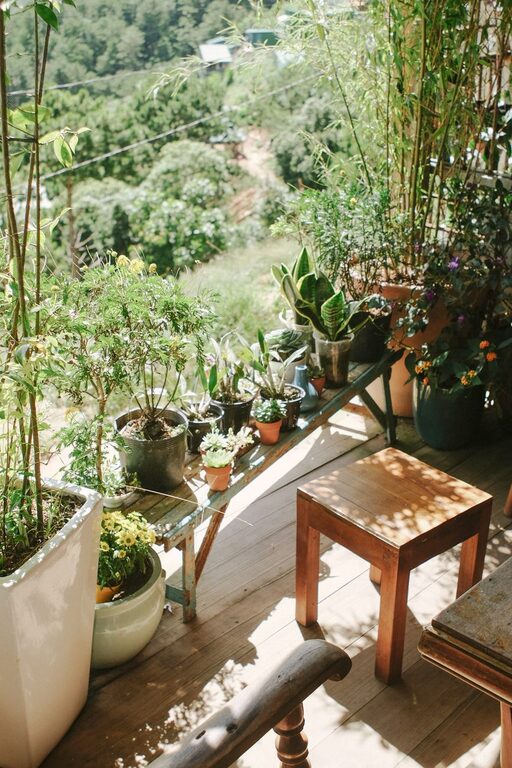
– Planters and pots: Choose styles that suit your garden theme, from rustic terracotta to contemporary metal.
Create Zones for Different Activities
If your garden space allows, create separate zones to cater to different activities:
– Relaxation zone: Comfortable seating and shade for reading or resting.
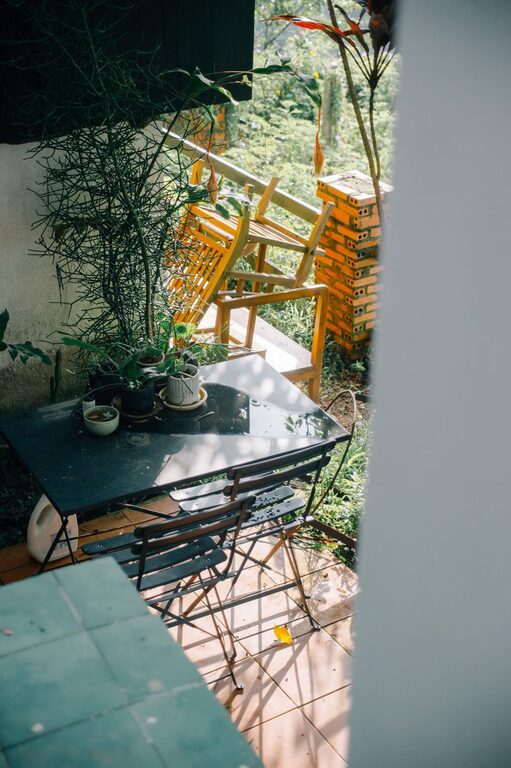
– Dining area: A small table and chairs for meals or tea.
– Gardening nook: Space for growing herbs or vegetables with easy access to tools.
– Play zone: For families, a small lawn or sandbox can add fun for children.
Zoning helps keep your garden organised and caters to all your outdoor needs.
Maintain Privacy and Shelter
Privacy and shelter contribute significantly to a garden’s comfort:
– Fencing and hedges: Tall fences or dense hedges block unwanted views and create a sense of enclosure.
– Trellises and screens: Support climbing plants like clematis or ivy to create natural privacy walls.
– Pergolas and gazebos: Provide shade and shelter, allowing you to enjoy the outdoors even on rainy days.
– Shade sails or umbrellas: Flexible options to block the sun when it gets too warm.
Keep Maintenance Simple
A relaxing garden shouldn’t become a source of stress. Choose low-maintenance plants suited to your climate and soil conditions. Mulching flower beds, using drip irrigation, and grouping plants with similar needs will reduce the time and effort needed to keep your garden looking good.
Regularly tidy seating areas, remove fallen leaves, and prune plants to maintain an inviting atmosphere.
Make it a Sensory Experience
Design your garden to engage all the senses:
– Sight: Use a variety of colours, shapes, and textures.
– Smell: Plant fragrant flowers and herbs.
– Sound: Add water features, wind chimes, or encourage birds with feeders.
– Touch: Include plants with interesting textures and soft seating fabrics.
– Taste: Grow edible plants like strawberries, mint, or tomatoes.
A multi-sensory garden creates a deeper connection to nature and promotes relaxation.
Final Thoughts
Creating a relaxing outdoor garden space at home is a rewarding project that offers countless benefits for your well-being. Start with simple steps: choose comfortable seating, incorporate natural elements, and add personal touches. Gradually build a space that reflects your style and fits your outdoor area. With patience and care, your garden can become a peaceful retreat where you can relax, recharge, and enjoy the beauty of nature close to home.
About the Author