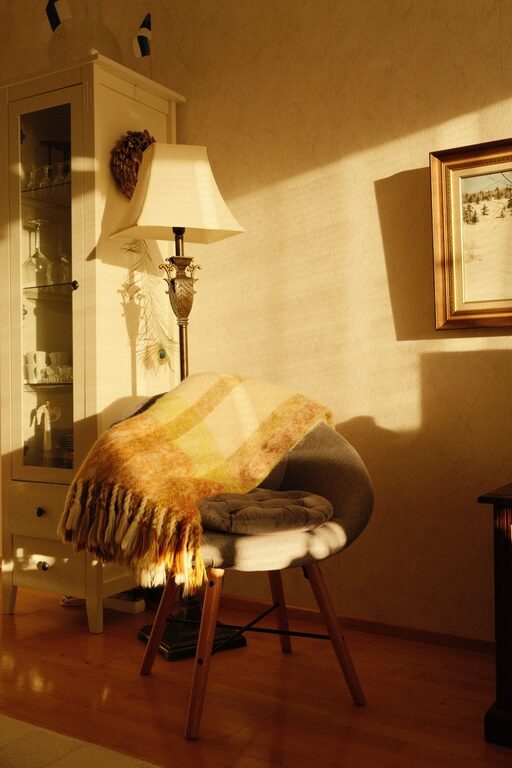
Creating a cosy and inviting reading nook at home is a wonderful way to carve out a personal space dedicated to relaxation, imagination, and quiet enjoyment. Whether you have a dedicated room or just a small corner to spare, a well-designed reading nook can become your favourite retreat. In this post, we’ll explore practical tips to help you create a warm and welcoming space perfect for getting lost in a good book.
Choose the Right Spot
Find a Quiet Corner
The first step in creating a reading nook is selecting a spot that offers peace and solitude. Look for a quiet corner of a room, perhaps by a window to benefit from natural light during the day. Spaces under stairs, unused alcoves, or even a part of your living room can work well.
Consider Natural Light
Good lighting is crucial for reading. Ideally, position your nook near a window to take advantage of daylight. If that’s not possible, choose an area where you can easily install soft, warm artificial lighting.
Select Comfortable Seating
Prioritise Comfort
The seating you choose will define your reading experience. Opt for a comfortable armchair, a cushioned bench, or even a small sofa. If space is tight, a well-padded window seat or a plush floor cushion can work just as well.
Add Supportive Cushions and Throws
Layer your seating with cushions to provide lumbar support and extra comfort. Soft throws or blankets are also a great addition, especially in colder months, making the nook feel warm and inviting.
Lighting Matters
Use Layered Lighting
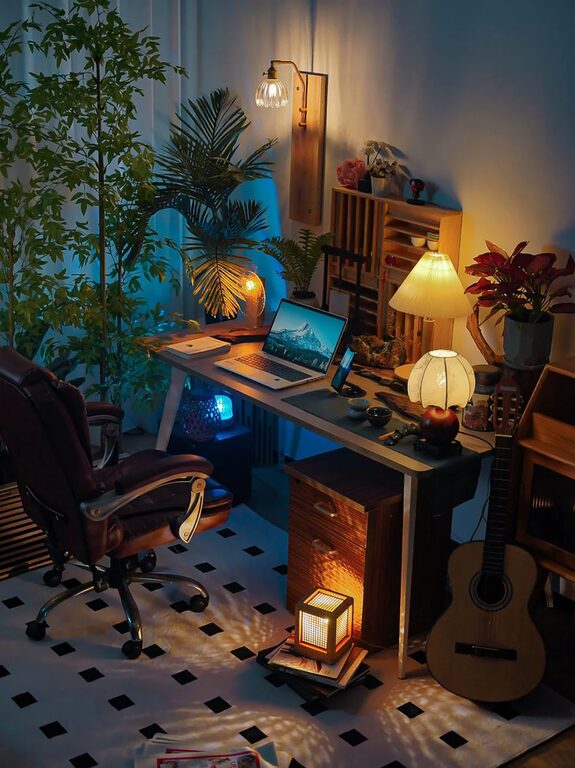
In addition to natural light, consider a combination of different light sources. A good reading lamp with adjustable brightness is essential. Ambient lighting, such as fairy lights or a soft table lamp, can enhance the atmosphere without straining your eyes.
Avoid Harsh Lighting
Bright, overhead lights can be harsh when reading. Choose warm-toned bulbs to create a gentle, soothing glow that helps you relax.
Incorporate Storage Solutions
Keep Books Handy
A reading nook isn’t complete without easy access to your favourite books. Small bookshelves, wall-mounted shelves, or a stack of books beside the seating are practical options.
Use Multi-purpose Furniture
Consider furniture that doubles as storage, such as ottomans with space inside or benches with shelves, to keep your nook tidy and clutter-free.
Add Personal Touches
Decorate with Meaningful Items
Bring personal touches into your nook, like framed quotes from your favourite authors, artwork, or keepsakes. These elements make the space uniquely yours and inspire connection with your reading time.
Use Calming Colours and Textures
Choose colours and textures that evoke relaxation. Soft, neutral tones, gentle blues, greens, or earthy colours tend to create a tranquil atmosphere. Incorporate tactile fabrics like wool, faux fur, or velvet for warmth.
Keep it Practical
Control Noise
If your nook is in a noisy area, consider adding a small rug or curtains to help muffle sound. Noise-cancelling headphones can also be an effective option when external sounds are unavoidable.
Ensure Accessibility
Make sure the nook is easy to access and that your reading materials, drinks, and snacks can be within reach without too much effort.
Ideas for Small Spaces
Use Vertical Space
When floor space is limited, think vertically. Wall shelves or hanging book holders free up the area and add visual interest.
Compact Seating
Choose furniture designed for small spaces, such as slim armchairs or foldable seats, which can be tucked away when not in use.
Mirror to Extend Space
A well-placed mirror can make a small nook feel larger and brighter by reflecting light.
Final Thoughts
Designing a cosy and inviting reading nook is all about creating a space that feels comfortable, peaceful, and personally meaningful. With the right combination of location, seating, lighting, and decor, your reading nook will not only enhance your home but also provide a sanctuary for relaxation and escape. Remember, the best reading nook is one that suits your lifestyle and reflects your taste — so feel free to experiment and adjust as you discover what makes you feel most at home with your books. Happy reading!
About the Author