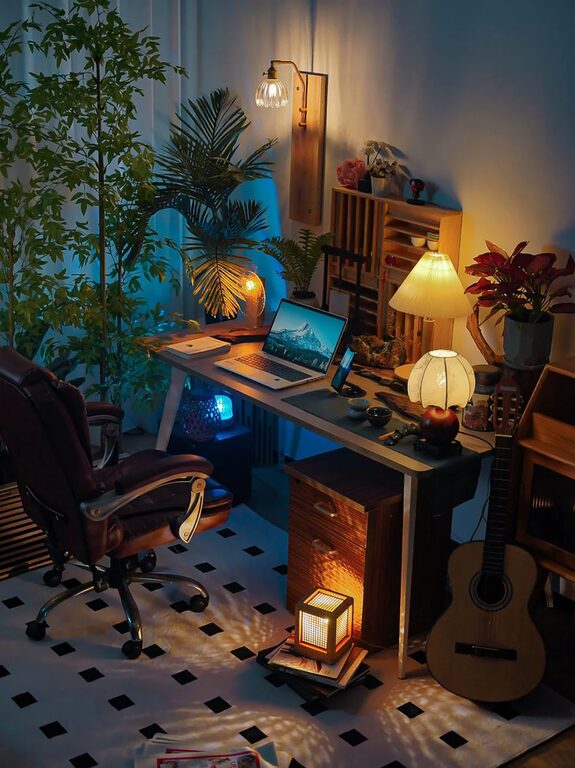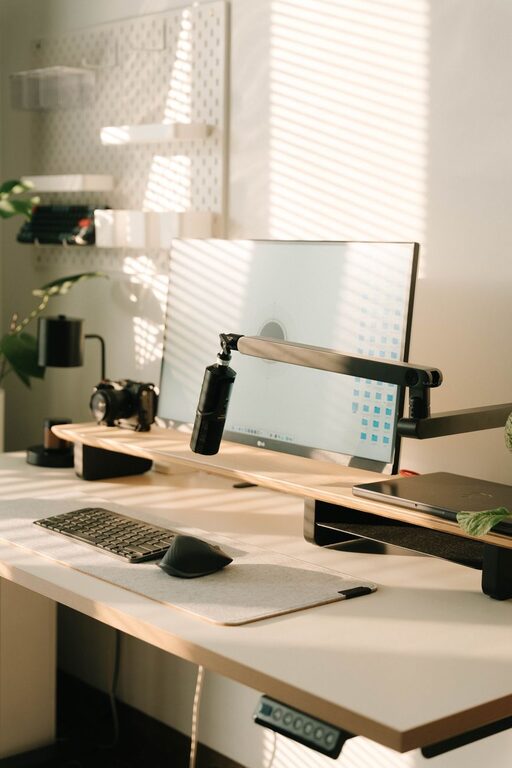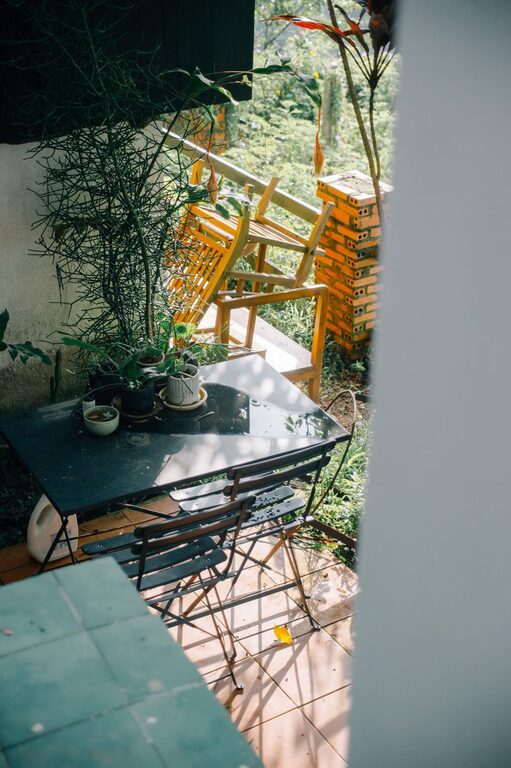

Creating a home workspace that is both relaxing and productive can significantly improve your work-from-home experience. Whether you’re juggling remote work, study, or personal projects, having a dedicated area that supports your focus and wellbeing is essential. This guide will take you through practical tips to set up a space that encourages efficiency without compromising your peace of mind.
1. Choose the Right Location
Selecting the ideal spot for your home workspace is the first step. Here are some points to consider:
Quiet and Private
Look for a space away from household traffic, noise, and distractions. If possible, a room with a door allows you to close off distractions and signals to others when you’re working.
Natural Light
Natural daylight enhances mood and productivity. Try to position your desk near a window to benefit from daily sunlight, but avoid glare on your computer screen.
Ventilation and Temperature
A well-ventilated area with comfortable temperature control helps maintain alertness and comfort throughout the day.
2. Invest in Ergonomic Furniture
Comfort plays a key role in staying productive and relaxed. Ergonomic furniture supports your body and prevents strain.
Desk and Chair
– Choose a desk at the right height where your elbows rest at 90 degrees when typing.
– Invest in an adjustable chair with lumbar support to protect your back.
– If standing suits you, consider a sit-stand desk that allows changing positions.
Accessories
– Use a footrest if your feet don’t touch the floor comfortably.
– Position your monitor so that the top is at eye level to avoid neck strain.
3. Keep It Organised
A clutter-free workspace reduces stress and helps you focus.
Declutter Regularly
Keep only essential items on your desk. Remove unnecessary papers, gadgets, and knick-knacks.
Storage Solutions
Use drawers, shelves, or organisers to keep supplies tidy and within easy reach. Label containers if needed.
Cable Management
Tidy cables using clips, sleeves, or cable boxes to prevent tangling and maintain a clean look.
4. Add Personal Touches Mindfully
A workspace that reflects your personality can make working from home more enjoyable without becoming distracting.
Plants
Indoor plants improve air quality and add a refreshing touch. Choose easy-care varieties like succulents or spider plants.
Artwork and Photos
Hang motivating images or calming scenes nearby but avoid overcrowding walls.
Colours
Use colours that soothe and inspire. Blues and greens promote calm, while yellow accents can stimulate creativity.
5. Optimise Lighting
Proper lighting reduces eye strain and improves your mood.
Mix of Lighting
Combine natural light with artificial sources. Use adjustable desk lamps with warm light for focused tasks.
Avoid Harsh Glare
Position lights to minimise reflections on screens. Diffuse harsh overhead lighting with lampshades or blinds.
6. Incorporate Relaxation Elements
Integrating calming features into your workspace will help maintain balance.
Break Area
If space allows, create a small zone with a comfortable chair or cushion for short breaks and stretches.
Aromatherapy
Subtle scents like lavender or eucalyptus can reduce stress. Use essential oil diffusers or scented candles carefully.
Sound
Consider soft background music or white noise to boost concentration and mask distracting sounds.
7. Establish Boundaries and Routine
A relaxing and productive workspace is also about how you use it.
Define Work Hours
Set clear work times to maintain a balance between professional and personal life.
Signal Availability
Use physical or digital cues to indicate when you are busy or free to family or colleagues.
Take Regular Breaks
Short pauses every hour help reduce fatigue and improve overall focus.
8. Utilise Technology Wisely
Technology can support productivity but also cause interruptions.
Essential Tools
Equip your workspace with reliable internet, headphones for calls, and necessary software.
Minimise Distractions
Use apps for task management and limit notifications to stay focused.
—
Creating a home workspace tailored to your needs promotes not only productivity but also wellbeing. By choosing the right location, investing in comfort, organising thoughtfully, and including calming touches, you can build an environment that makes working from home a positive experience. Remember, small adjustments can make a big difference to your daily routine.
About the Author