Creating a relaxing and productive home office environment can have a significant impact on your work quality and overall well-being. Whether you work remotely full-time or occasionally need a quiet space, designing your workspace thoughtfully helps you stay focused while feeling comfortable. In this post, we’ll explore practical tips and ideas to help you set up a home office that supports both productivity and relaxation.
1. Choose the Right Location
Find a Quiet Space
Selecting a spot in your home with minimal distractions is key. Try to avoid high-traffic areas like the kitchen or living room, where noise and interruptions are common.
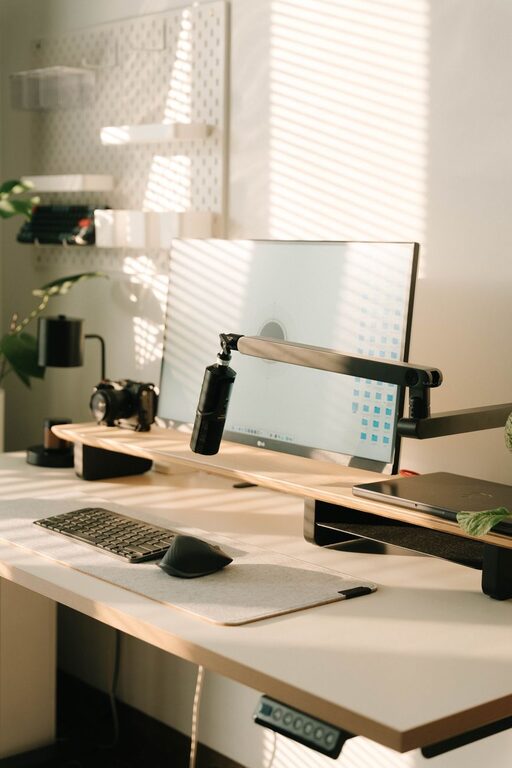
Prioritise Natural Light
Set your desk near a window if possible. Natural light reduces eye strain and improves mood, making it easier to concentrate throughout the day.
Consider Privacy Needs
If video calls or confidential work are part of your routine, choose a location where privacy can be maintained.
2. Invest in Ergonomic Furniture
Comfortable Chair
An ergonomic chair that supports your back and encourages good posture is essential. Look for adjustable features that allow you to customise height and tilt.
Suitable Desk Height
Your desk should be at a height where your forearms can rest comfortably parallel to the floor. Standing desks or sit-stand converters are also worth considering to vary your position.
Use a Footrest
If your feet don’t touch the ground comfortably, a footrest can improve circulation and reduce strain.
3. Optimise Lighting
Layer Your Lighting
Combine natural light with task lighting and ambient lighting. A desk lamp with adjustable brightness is ideal for focused work.
Avoid Glare
Position your screen to prevent glare from windows or overhead lights, which can cause headaches and fatigue.
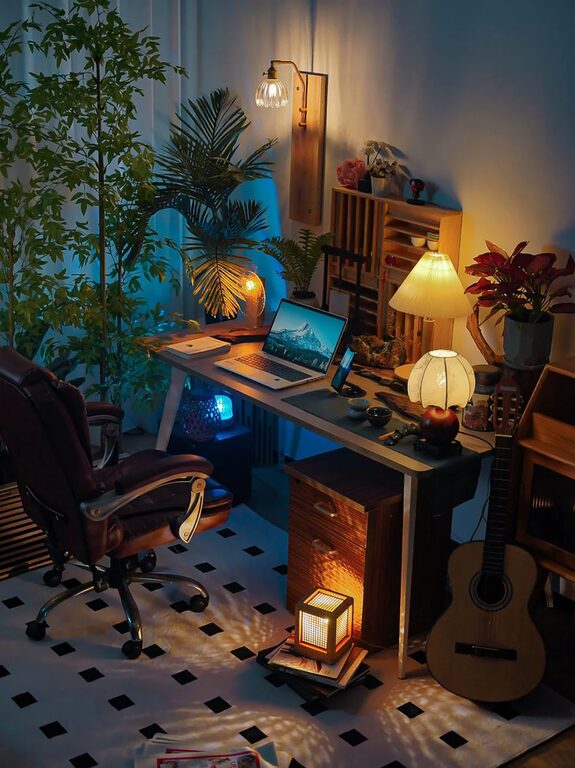
Use Warm Lighting for Relaxation
In the early morning or evening, warm light tones can create a calming atmosphere that helps you unwind and maintain balance.
4. Keep Your Workspace Organised
Declutter Regularly
A tidy desk can improve focus. Take a few minutes each day to clear papers, cables, and other distractions.
Use Storage Solutions
Drawers, shelves, and organisers keep your materials within reach but out of sight, helping maintain a clean environment.
Label and Categorise
Organising your files, both physical and digital, makes it easier to find what you need quickly.
5. Personalise Your Space
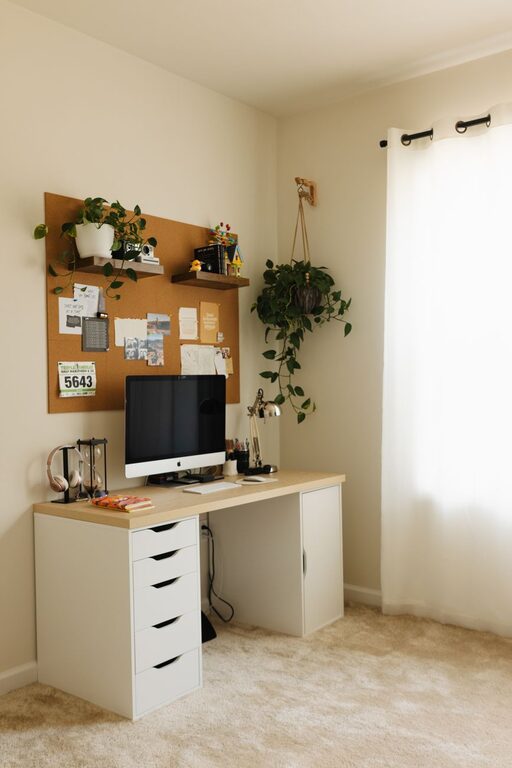
Add Greenery
Houseplants not only improve air quality but also bring life and calm to your workspace.
Use Colours that Inspire
Choose colours that promote focus and peace. Soft blues and greens are often recommended for workspaces.
Display Meaningful Items
Photos, artwork, or motivational quotes can enhance your mood without creating clutter.
6. Manage Technology Wisely
Invest in Quality Equipment
Reliable devices and a strong internet connection minimise frustration and downtime.
Use Cable Management
Keep cables organised and out of the way to reduce distractions and maintain a clean look.
Optimise Screen Settings
Adjust brightness, contrast, and text size to suit your comfort and reduce eye strain.
7. Create a Routine and Boundaries
Set Regular Working Hours
Designate specific start and finish times to help separate work from personal life.
Take Breaks
Short, frequent breaks improve concentration and reduce fatigue. Use reminders or apps to prompt you.
Communicate Your Availability
If you share your home, let others know your working hours and when you shouldn’t be disturbed.
8. Incorporate Soothing Elements
Play Background Music or White Noise
Soft music or ambient sounds can help mask distracting noises and increase focus.
Use Aromatherapy
Scents such as lavender or peppermint may promote relaxation and alertness, but use them sparingly to avoid overpowering the space.
Practice Mindfulness
Consider adding a small space for stretching or meditation to refresh your mind during breaks.
Conclusion
Designing a home office that is both relaxing and productive involves purposeful choices about location, furniture, lighting, organisation, and personal touches. By taking the time to create an environment tailored to your needs, you can make working from home more enjoyable and efficient. Remember, your workspace should support not only your work goals but also your overall fulfilment and comfort.
With these tips in mind, start shaping your home office today and enjoy the benefits of a balanced, well-designed workspace.
About the Author