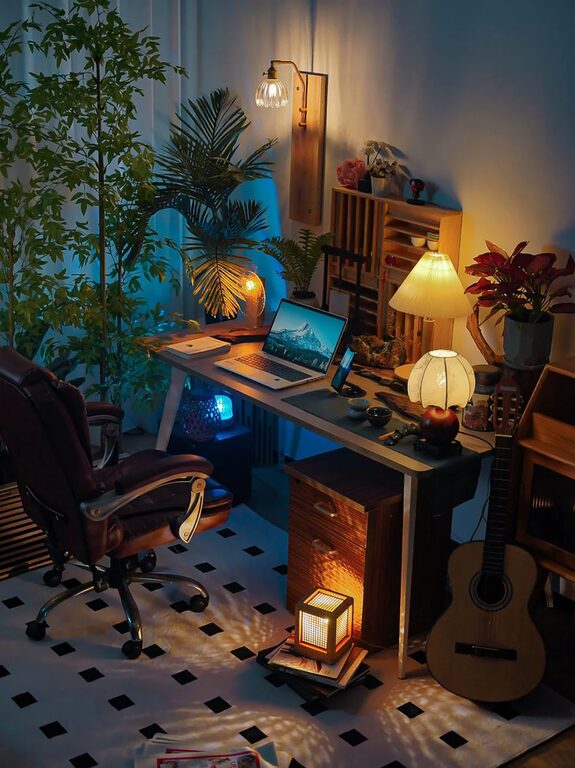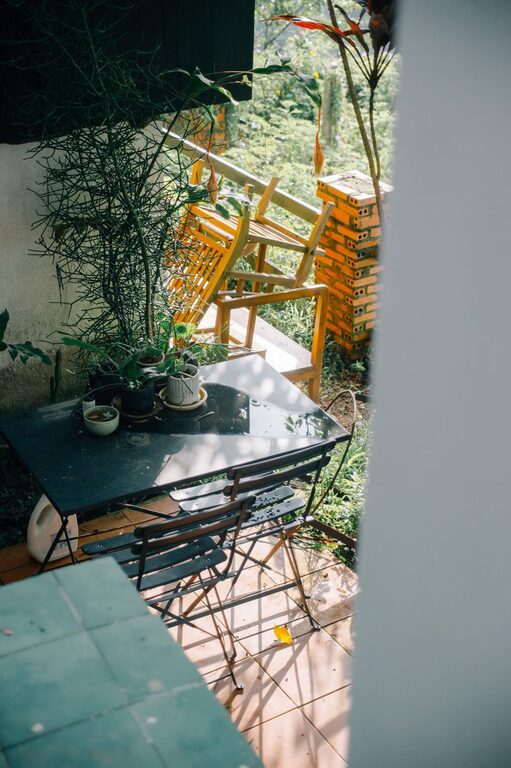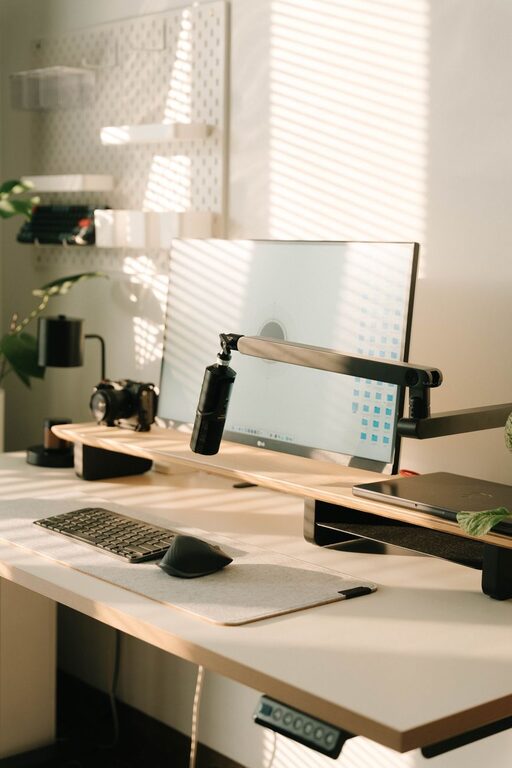
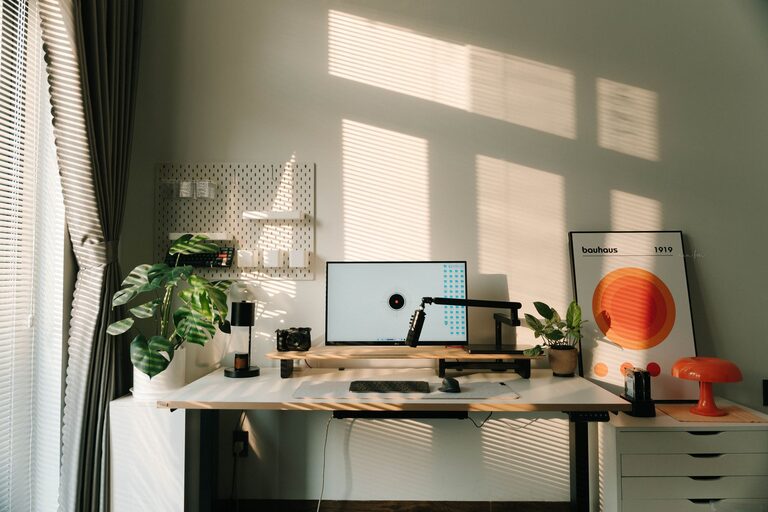
Creating a relaxing home office environment is essential for maintaining productivity while ensuring your wellbeing during work hours. A well-designed space can help reduce stress, enhance focus, and make the experience of working from home more enjoyable. Whether you are new to remote working or want to refresh your current setup, these tips will guide you in crafting a calm and effective workspace.
Choose the Right Location
The first step in creating a relaxing home office is selecting a spot in your home that suits work needs. Ideally, pick a quiet area away from distractions such as household chores, television, or noisy family spaces. If possible, opt for a room with a door to give you privacy and help separate work from leisure.
Consider the natural light in the chosen area. Exposure to daylight can improve mood and reduce fatigue. Position your desk near a window to benefit from sunlight, but avoid screen glare for a comfortable view. If natural light is limited, invest in good quality lighting to brighten the space without causing strain on your eyes.
Invest in Comfortable and Functional Furniture
A relaxing office starts with furniture that supports your body and work habits. Your chair should provide good lumbar support and allow you to sit for extended periods without discomfort. Adjustable chairs are ideal because you can customise the height and tilt to your preferences.
Choose a desk that is the right size for your work needs. It should have ample surface space for your computer, notebooks, and any other necessities. Consider desks with built-in storage or shelves to keep the area tidy.
If space allows, ergonomic accessories such as keyboard trays, monitor stands, or footrests can help maintain good posture and reduce physical strain.
Keep the Space Organised
Clutter can be a significant source of stress and distraction. Maintain an organised desk by using storage solutions like drawers, boxes, or filing trays. Sort items logically and regularly declutter to keep the environment neat.
Try to implement a clean desk policy at the end of each day. This habit helps you start the next day with a clear mind and ensures that your work environment remains inviting.
Use Soothing Colours and Decorations
Colour psychology shows that certain hues can affect mood and concentration. For a calming effect, paint the walls in soft, neutral shades such as light blues, greens, or warm greys. Avoid overly bright or dark colours, which might be distracting or draining.
Decorate your office with personal touches that inspire calm and positivity. This might include artwork, plants, or meaningful items. Houseplants not only add colour but also improve air quality and bring a bit of nature indoors. Choose low-maintenance plants like succulents or spider plants if you are new to gardening.
Keep decorations minimal and purposeful to avoid creating visual clutter.
Manage Noise Levels
Noise can be a major disruptor when working from home. If your space is noisy, consider some strategies to manage sound levels:
– Use noise-cancelling headphones or play soft instrumental music to mask background sounds.
– Add textiles such as rugs, curtains, and cushions to absorb sound.
– Position your desk away from noisy appliances or high-traffic areas.
– If possible, communicate your working hours to family members to reduce interruptions.
Creating a silent or softly ambient environment enables better concentration and enhances tranquillity in your office.
Incorporate Break and Wellness Areas
Even in a small space, try to designate a spot for breaks or relaxation. This could be a comfortable chair where you can stretch, read, or meditate during pauses. Taking regular short breaks away from the desk helps reduce fatigue and refreshes the mind.
Consider adding wellness elements like a small diffuser with essential oils, a stress ball, or some gentle stretching exercises you can perform easily.
Maintain Good Air Quality and Temperature
A fresh and well-ventilated space is crucial for comfort and alertness. Open windows regularly to circulate fresh air. If necessary, use fans or air purifiers to improve air quality.
Be mindful of temperature: neither too hot nor too cold. Dress appropriately and use heaters, air conditioning, or fans to maintain a comfortable climate.
Set Clear Boundaries and Establish a Routine
Psychologically separating your work and home life helps maintain relaxation during downtime. Define clear work hours and stick to them. Inform family or housemates about your schedule to minimise interruptions.
Build a routine that includes a morning ritual to prepare your mind for work, regular breaks, and an end-of-day ritual to switch off. Over time, these routines become cues that condition your brain to focus and relax at appropriate times.
—
By paying attention to these elements, you can create a home office environment that supports both your productivity and wellbeing. A relaxing workspace encourages focus, reduces stress, and makes your workday more pleasant. With some thoughtful planning and small adjustments, your home office can become a place you genuinely enjoy spending time in.
About the Author